

Translated and adapted with permission from an article on Guideslow, courtesy of Pro Loco Castropignano
Like almost all Italian villages, Castropignano also preserves stories and tales linked to figures or events of the past and, more specifically, to the medieval stories marking the abuses perpetrated by local nobles against the population.
One of the most notorious vexations of this historical period, evidence of which can also be found in the municipality of Castropignano, is the infamous Ius primae noctis, or the right of the feudal lord to substitute himself for the husband on the wedding night. This practice is linked to the ancient legend of the Cantone della Fata, in which dramatic and magical elements blend, heightening the evocative atmosphere of this place.
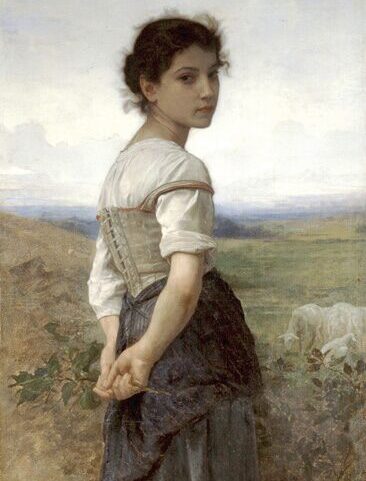
Fata was the nickname of a shepherdess from Castropignano known for her extraordinary beauty. Having married the young Antonio, the girl was taken to the castle by the duke’s guards so that he could exercise his ius prime noctis. Fata was horrified at the thought of having to submit to this cruel law and, to escape dishonor, she embarked on a desperate flight that took her to the top of the great rock of Cantone, a small rocky outcrop located a short distance from Evoli Castle. Hunted by the guards and with no other option, she chose to die by throwing herself from the precipice, which from then on was known as Cantone della Fata.

Like all respectable legends, the legend of Castropignano also has evocative implications: according to some accounts, her ghost still haunts the cliff today. Some claim to have heard the echo of the girl’s voice calling out her husband’s name on full moon nights, and others even claim to have seen her body carried by magical creatures through the woods of Castropignano.