
What does social work look like when viewed through a different cultural lens?
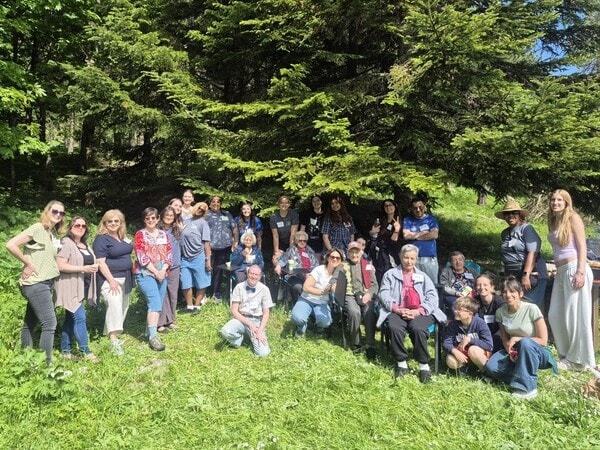
This summer, thirteen students and three faculty members from Northern Arizona University’s Department of Social Work traveled to Italy for a sixteen-night faculty-led program designed to explore community well-being, social services, disability inclusion, homelessness, elder care, and social innovation through direct engagement with organizations across Rome, Molise, and Puglia.
Community-Based Global Learning
More than a study abroad experience, the program invited students to step into communities, listen deeply, build relationships, and examine how different societies respond to many of the same social challenges faced around the world.
From anti-violence shelters in Rome to disability employment initiatives in Molise, students encountered social work not as an abstract academic discipline, but as a lived practice shaped by culture, history, community values, and human connection.
The journey began in Rome, where students visited the Differenza Donna Association, an organization that operates anti-violence centers, shelters, and support services for women. In addition to learning from social workers about their professional pathways and daily challenges, students provided personal hygiene kits for women being served through the organization’s shelter programs.
From Rome, the group traveled into the mountains of Alto Molise. In Capracotta, students partnered with the Assembramenti Culturali association and explored the “Nature and Memories” project, which uses nature-based experiences to support individuals living with dementia and Alzheimer’s disease. Surrounded by the remarkable landscapes of the Giardino della Flora Appenninica, participants examined how environmental engagement can contribute to health, dignity, and quality of life.
The program then continued south into Puglia, where longtime Molise Italian Studies partner Vincenzo Cantatore helped facilitate experiences focused on social innovation and community development. Students visited ExFadda, a former winery transformed into a vibrant public space for creativity, civic engagement, and youth empowerment, before sharing a meal and conversation at XFood, one of Italy’s most celebrated examples of inclusive employment. There, individuals with physical, cognitive, and sensory disabilities play central roles in the operation of a thriving social enterprise, demonstrating how workforce inclusion can become a powerful vehicle for autonomy, dignity, and community participation.
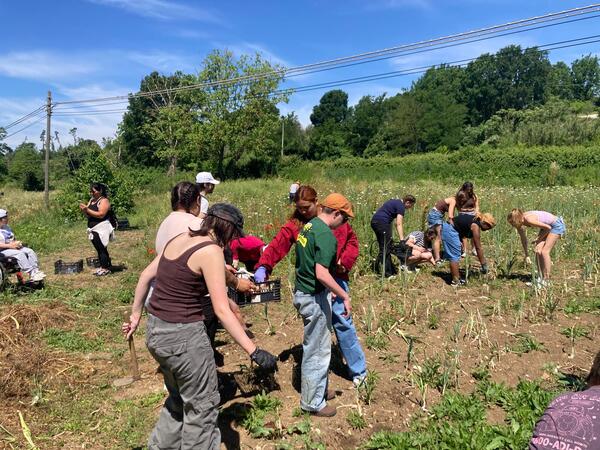
While every destination offered valuable learning opportunities, the heart of the program unfolded in Isernia through a multi-day partnership with LAI Cooperative. Over three days, students worked alongside participants and staff engaged in theater, ceramics, gardening, educational programming, and social activities designed to support adults with intellectual disabilities. LAI’s mission centers on creating opportunities for independence, meaningful employment, social connection, and active participation in community life. Rather than observing from the sidelines, students became part of the daily rhythm of the organization, building relationships that transformed theoretical discussions into lived understanding.
The exploration of innovative approaches to well-being continued in Fornelli, where students visited La Piccola Bottega and learned about donkey-assisted therapy under the guidance of psychologist Serena Sassatelli. Through discussion and hands-on experiences, participants examined how animal-assisted interventions can support emotional development, communication, confidence, and social connection across diverse populations.
In Termoli, the focus shifted toward poverty alleviation, food security, and community solidarity. Working alongside local volunteers coordinated through the Diocese of Termoli-Larino, students assisted at the Solidarity Cafeteria, an organization supporting individuals and families facing economic hardship. This experience highlighted the critical role of grassroots networks, volunteerism, and community-based responses in addressing social needs.
The program concluded where it began: in Rome. There, students visited Binario 95 and Casa Sabotino, learning about programs serving individuals experiencing homelessness and social marginalization. Through conversations with staff and guests, participants explored questions of autonomy, housing, social inclusion, and dignity while reflecting on themes that had emerged throughout the journey.
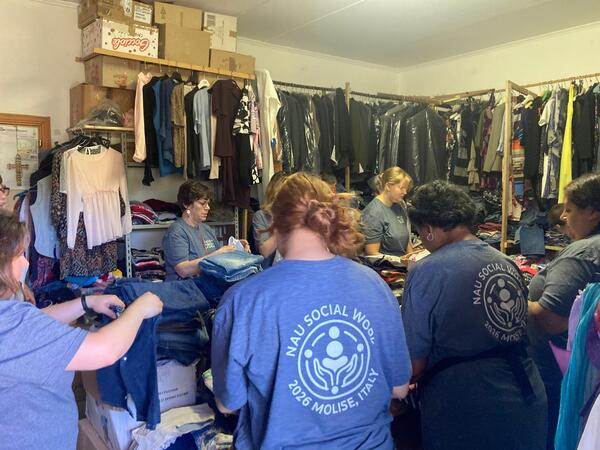
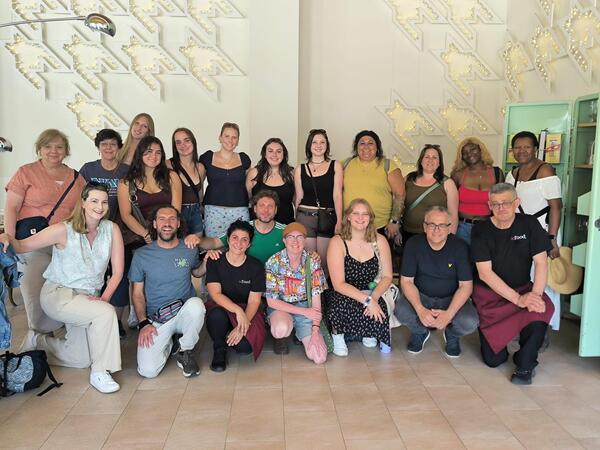
The Italian Experience
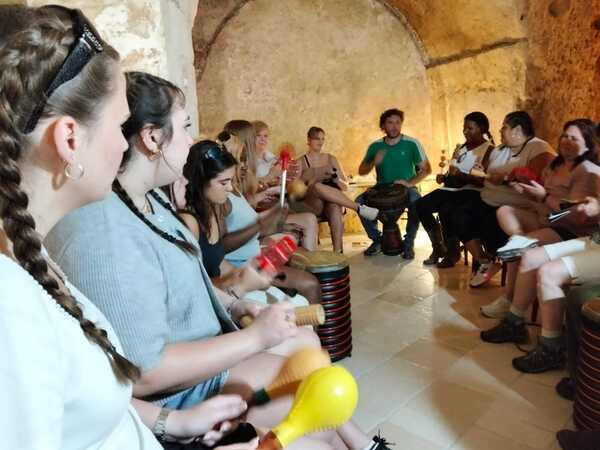
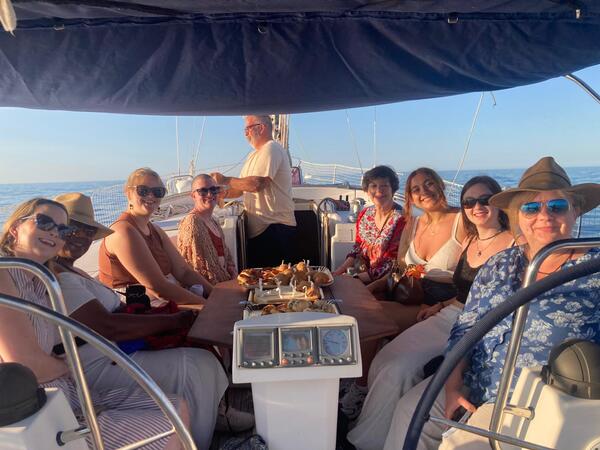
Yet the learning extended well beyond agency visits and volunteer placements. Students explored the mountain communities of Alto Molise, wandered the historic streets of Agnone and Isernia, practiced conversational Italian, learned traditional foodways, attended the Mediterranean Ukulele Festival in Monopoli, relaxed on Adriatic beaches, sailed at sunset along the coast of Termoli, and visited places ranging from the prehistoric cave city of Matera to the Tremiti Islands. These moments of cultural immersion provided an essential complement to the program’s social work focus, helping students better understand the communities, histories, and everyday realities that shape the lives of the people they encountered.
Partners
Programs like this are only possible because of extraordinary partnerships. We are deeply grateful to Andrea Rossi, who serves as Molise Italian Studies’ on-site support coordinator and accompanies participants throughout the experience, helping bridge logistics, culture, language, and relationships. We are equally thankful to the many community leaders, educators, social workers, volunteers, and organization staff who opened their doors and shared their knowledge with generosity and candor.
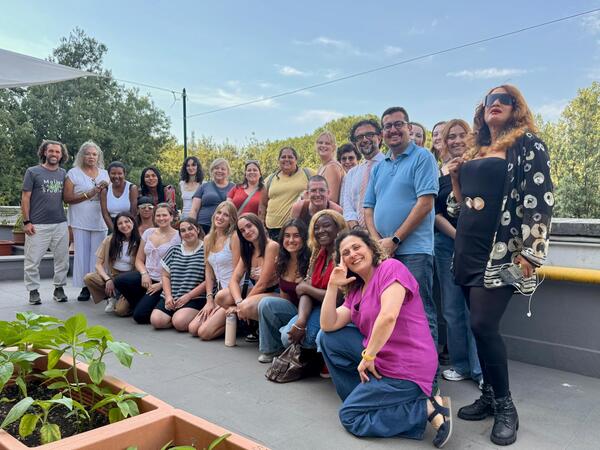
Places like Isernia, Capracotta, Fornelli, and Termoli are often overlooked on traditional study abroad itineraries. Yet these communities offer something increasingly rare: opportunities to move beyond observation and into meaningful engagement. Through partnerships built on reciprocity and trust, they become living classrooms where students encounter social work not simply as a profession, but as a practice of relationship, community, and shared humanity.
In this way, social work education extends far beyond the university classroom. It becomes global, intercultural, and deeply human.